Pack or Solo? How Vermont Runners Are Figuring Out the Training Style That Actually Works for Them
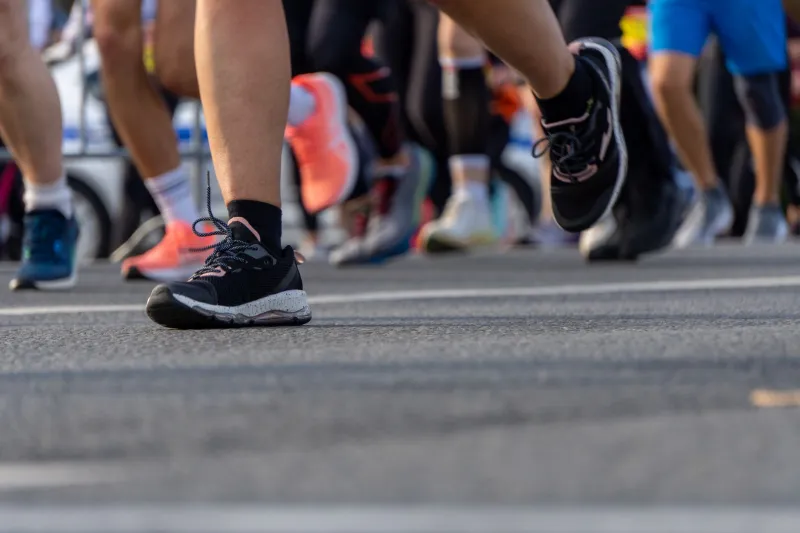
On any given Tuesday evening in Burlington, you can find two very different kinds of runners preparing for Vermont City Marathon. In one corner of Waterfront Park, a group of fifteen people stretches, laughs, and argues cheerfully about the route before heading out together. A mile away, a woman with earbuds and a focused expression is already three miles into a tempo run she planned herself, alone, and she prefers it exactly that way.
Both of them are doing it right.
The question of whether to train with a group or go it alone is one of the most personal decisions a marathon runner makes — and it's one that deserves more honest conversation than it usually gets. There's no universal answer, but there are real patterns worth understanding.
What the Research Actually Says
Sports psychologists have studied group exercise dynamics for decades, and the findings are genuinely interesting. A well-cited 2012 study from Kansas State University found that working out with a partner — particularly one perceived as slightly more capable — increased exercise time and intensity by over 200 percent compared to solo training. The mechanism is something called the Köhler effect: we push harder when we don't want to be the weak link.
But here's the complicating factor. That effect depends heavily on the individual. Highly introverted athletes, or those who are internally motivated and self-directed, often perform just as well — and sometimes better — training alone. Without the social pressure of a group, they can tune into their own effort levels more precisely, adjust their pace based on how their body actually feels, and avoid the common trap of running other people's workouts instead of their own.
"I see both outcomes constantly," says longtime Vermont running coach Dana Merritt, who has worked with athletes preparing for Vermont City Marathon for over a decade. "Some runners come alive in a group. Their long runs get done, their paces improve, their whole relationship with training shifts. Others get dragged into efforts that aren't right for their plan, or they feel anxious about keeping up, and it actually hurts their training. Knowing which type you are is genuinely important."
Inside Vermont's Group Running Culture
Vermont has a surprisingly active running club scene for a state of its size. Groups like the Burlington Running Club, Green Mountain Running Club, and various informal training pods that form around local races and race series offer regular group runs, track sessions, and long-run meetups.
For many runners — especially those new to marathon distance — these groups provide something that no training plan can: the experience of people who've been there before.
Jordan Pierce started running seriously in his mid-thirties after moving to Williston for work. He knew nobody in the area and had never run more than a 10K. He found a group through a local running store's weekly run and, by his own description, "got adopted."
"I would never have made it to the start line of Vermont City without those people," Jordan says. "It wasn't just the accountability, though that was huge. It was that on a 20-miler in November when everything hurts and it's 34 degrees and raining, there's someone next to you who's also miserable and keeps going anyway. That changes something in you."
The social infrastructure of group training also provides practical benefits: shared knowledge about course conditions, tips on local gear, real-time feedback on form and pacing, and the kind of collective experience that's hard to replicate from a book or an app.
The Case for Running Your Own Race — in Training, Too
For all the genuine value of group running, there's a real argument for solo miles that doesn't get made loudly enough.
Marathon racing is, at its core, a deeply individual experience. You can't borrow someone else's legs at mile 22. The mental skills required to regulate effort, stay present through discomfort, and make real-time decisions about pacing and fueling are built in solitude. You can't develop those skills if you've spent every training run outsourcing your effort to the group's collective pace.
Claire Bouchard has run six marathons, including Vermont City, and she's deliberately solo. She plans her own training, runs her own routes, and keeps her own counsel about what's working.
"I tried group training twice and it just wasn't me," Claire says. "I'd spend the whole run managing the social dynamics instead of paying attention to my body. I need to be inside my own head. That's where my running actually happens."
For runners like Claire, the discipline required to get out the door alone is itself a form of mental training — and the self-knowledge built over hundreds of solo miles is a genuine competitive asset.
How to Figure Out Which Approach Fits You
Honestly? Try both before you commit.
If you've only ever trained alone, show up to one group run with zero expectation. Notice whether the energy lifts you or stresses you. Notice whether you're pushing harder than you should or finally finding the effort level you'd been avoiding. Give it three or four sessions before drawing conclusions.
If you've only ever trained with a group, schedule four weeks of solo long runs. Use them as an experiment in self-direction. Can you regulate your own effort? Do you enjoy the solitude, or does it feel like punishment? The answer tells you something real.
A few questions worth asking yourself honestly:
- Do you consistently skip or cut short solo runs? If yes, you probably need the accountability of a group.
- Do you regularly run too fast on easy days when you're with other people? If yes, you might need more solo miles to develop pace discipline.
- Is social connection part of why you run at all? Group training will feed that in ways solo miles never will.
- Do you find group dynamics draining rather than energizing? Solo training might actually preserve your motivation over a long build.
The Hybrid Reality Most Vermont Runners Land On
Here's the thing: the runners who've been at this the longest rarely identify as purely one or the other. Most Vermont marathoners develop a blend — group runs for long runs and tempo work, solo runs for easy recovery days and early-morning miles when life demands flexibility.
That hybrid approach captures most of the benefits of both worlds. You get the accountability and shared suffering of group miles on the days that matter most. You get the self-knowledge and mental training of solo running when you need to be inside your own head.
Vermont City Marathon draws runners from wildly different backgrounds and training philosophies. What unites them at the finish line isn't how they trained — it's that they showed up consistently, did the work honestly, and got there.