Running Alone, Together: A Guide for Introverts Who Love Vermont's Marathon Community (From a Distance)
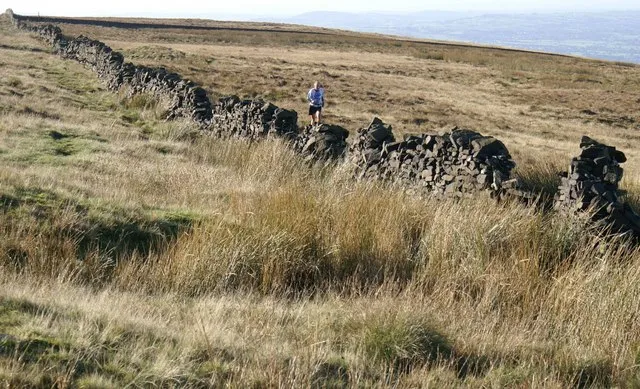
Photo: Peter Standing, CC BY-SA 2.0, via Wikimedia Commons
Vermont's running community has a reputation. It's the kind of place where strangers wave on the trail, where local running clubs fill up fast, where the energy at the start line of Vermont City Marathon feels genuinely communal in a way that's hard to find at bigger, more anonymous races.
For a lot of runners, that's the whole draw.
For others — the ones who recharge in solitude, who do their best thinking alone on a quiet road, who find group runs more exhausting than the miles themselves — Vermont's social running culture can feel like a bit of a mismatch.
If that sounds familiar, this is for you.
The Introvert's Dilemma at the Start Line
Here's something worth saying clearly: preferring to run alone doesn't mean you don't care about community. Introverted runners aren't antisocial. They're just wired differently. They often find deep meaning in the collective experience of race day, in the shared pursuit of a goal, in the knowledge that thousands of other people are out there grinding through the same training calendar. They just don't necessarily need to do it while making conversation.
The tension is real, though. Vermont's running culture — and Vermont City Marathon specifically — is built on togetherness. Group training runs, club memberships, pacing groups, post-race gatherings. All of it is genuinely wonderful. And all of it can feel like a lot if you're someone who finds social interaction draining rather than energizing.
The good news: Vermont's running community is more accommodating of different personalities than it might initially appear.
You Don't Have to Join a Running Club to Belong
One of the quietest truths about Vermont City Marathon is that belonging to this community doesn't require showing up to group runs on Saturday mornings. It doesn't require joining a club or attending social events or being a particularly chatty presence at the expo.
Belonging — at its most basic — just means showing up. Signing up. Training. Toeing the line.
Marathon communities are unusual in that way. Unlike team sports, where participation is inherently collective, marathon training is fundamentally individual even when it happens in groups. You can engage with the Vermont running community entirely on your own terms and still be fully part of it.
"I did almost all of my training alone," says one Vermont City Marathon finisher who completed her first marathon two years ago. "I read the training forums, I followed along with what other people were doing, I felt connected to the whole thing. I just didn't need to actually run with anyone to feel that way."
She's not unusual. A significant portion of marathon finishers — at Vermont City and everywhere else — train predominantly solo. They're not missing out. They're just doing it differently.
Finding the Community on Your Own Terms
For introverted runners who want some connection without the full social commitment of a running club, Vermont offers some genuinely good middle-ground options.
Online community engagement. Vermont City Marathon's social channels and running forums let you participate in the community conversation at whatever pace and depth feels comfortable. You can absorb, contribute occasionally, and disengage when you need to — all without anyone expecting you to show up anywhere.
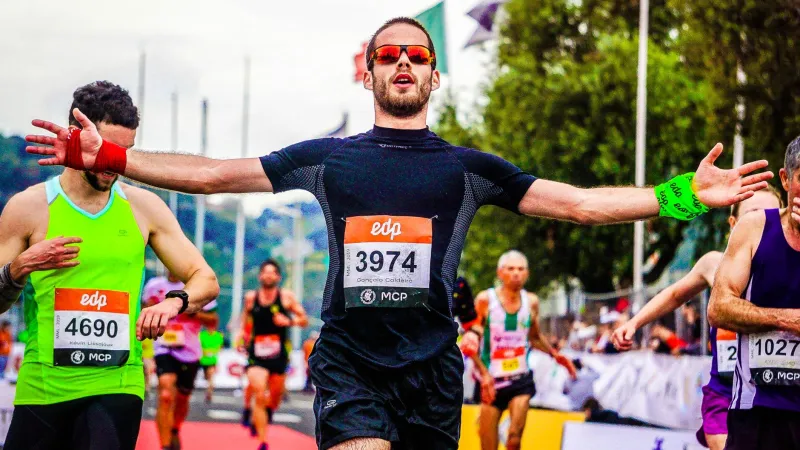
Races as community anchors. For many introverted runners, race day itself is the community experience they need. The collective energy of the start line, the shared suffering of the course, the finish line emotion — all of that is available without any ongoing social obligation. You show up, you run, you feel the belonging, you go home and decompress.
Parallel training. Some introverted runners find a middle path by running the same routes and workouts as local running clubs — just not with them. They follow a club's publicly shared training calendar, run the same long runs on the same days, and participate in the shared experience without the social component. It sounds strange but it works.
Selective participation. Most running clubs have a range of events — some highly social, some more low-key. An introverted runner might skip the Saturday group run but show up for a trail race or a low-key time trial where the format allows for more independent participation.
What Vermont's Running Culture Gets Right
Here's something worth acknowledging: Vermont's running community, for all its warmth, doesn't actually demand extroversion. The culture here tends to be genuine rather than performative. People aren't out there trying to build their running brand or rack up social media moments. They're just running, and they're happy when other people run too.
That authenticity makes it easier for introverted runners to find their comfort level. Nobody's going to pressure you into joining a club or showing up to a group run. The invitation is always open, but it's not a requirement.
"I was nervous that Vermont's running community would feel cliquey or overwhelming," says one runner who moved to Burlington from a larger city. "It's actually the opposite. People are friendly but they're not pushy. You can be as involved as you want."
The Solo Miles Are Real Miles
There's one more thing worth saying, specifically for introverted runners who sometimes feel like they're missing something by not training with others.
You're not.
Solo training builds something that group training can't fully replicate: a deep, private relationship with your own effort. You learn to pace yourself without the unconscious pull of a group's rhythm. You learn to motivate yourself without external energy to feed off. You learn to sit with difficulty and boredom and find your own way through.
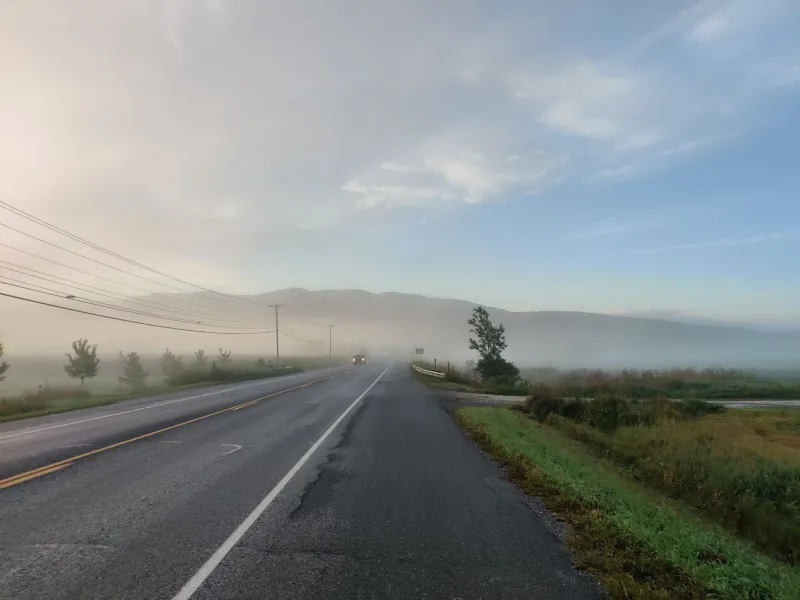
Those are race-day skills. The marathon is, ultimately, a very solo experience even when you're surrounded by thousands of people. The runner who has spent months alone with their thoughts on a quiet Vermont road has been preparing for that reality in a way that's easy to undervalue.
The community will be there at the finish line. It'll be there on race morning, in the shared nervousness of the start corrals, in the strangers who cheer for you by name when they see your bib. You don't have to earn that by being social during training.
Run your way. Vermont's big enough for all of it.