Beat Drop at Mile 20: How Music Powers Vermont Runners Through the Hardest Parts of Race Day
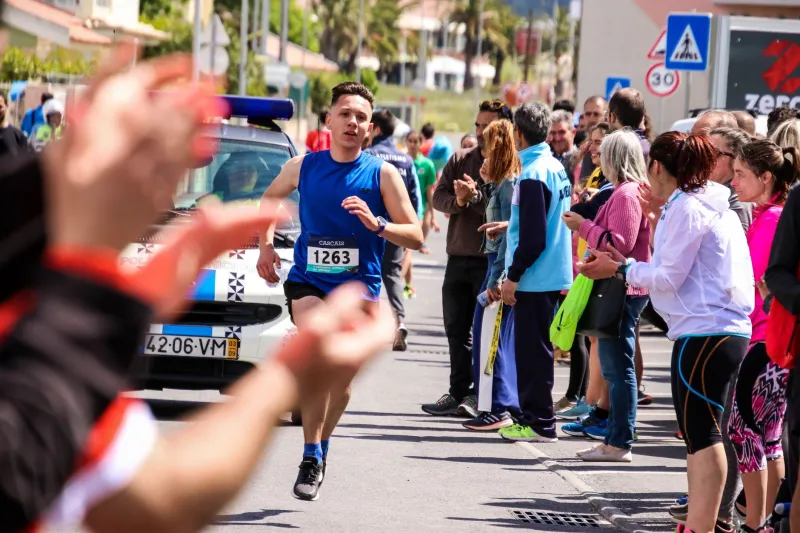
Ask any Vermont City Marathon finisher about their race day, and somewhere between the stories about the crowds on Church Street and the wind off Lake Champlain, music will come up. Maybe it was a song that got them out of bed at 5 a.m. on a January training run. Maybe it was the track that dropped right as they crested a hill and suddenly their legs felt like someone had secretly replaced them with fresh ones. Music and running have always had a quiet partnership — and for Vermont runners, that relationship runs deep.
The Science Behind the Soundtrack
It's not just a vibe. Sports psychologists have spent years studying why music makes hard physical effort feel more manageable, and the research is pretty convincing. Dr. Costas Karageorghis, one of the leading researchers in the field, has described music as a kind of "legal performance-enhancing drug" — and while that's a bold claim, the underlying mechanics make sense.
Rhythm synchronization is a big piece of it. When your footstrike naturally aligns with a song's tempo, your body moves more efficiently. For marathon runners, that typically means targeting tracks in the 160 to 180 beats per minute range during sustained effort — which, not coincidentally, mirrors an ideal running cadence. But beyond the mechanical side, music does something harder to quantify: it shifts your internal focus outward. Instead of fixating on burning quads or the distance remaining, your brain latches onto melody, lyrics, momentum.
Sarah Holloway, a Burlington-based running coach who's guided dozens of athletes through their Vermont City Marathon training cycles, puts it plainly. "Music is a dissociation tool," she says. "On a hard tempo run in February when everything hurts and it's 18 degrees, the right playlist is the difference between finishing the workout and cutting it short."
What Vermont Runners Are Actually Listening To
We asked a handful of local runners to pull back the curtain on their race-day playlists, and the results were wonderfully all over the map.
Marcus Delray, a three-time Vermont City finisher from Winooski, builds his playlist like a race strategy. "I front-load with stuff that's energetic but not too intense — things that keep me calm but moving. Then around mile 16, I've got a whole different tier queued up. That's where I need the big guns."
For Marcus, the big guns include a mix of hip-hop and indie rock, with a few Vermont-made tracks sprinkled in. He specifically calls out Burlington folk-rock artist Grace Donahue, whose driving acoustic arrangements have found a surprising home on local running playlists. "There's something about her stuff that just feels like Vermont," he says. "Like, I'm running through this place I love, and the music matches it."
Lena Fortier, who ran her first marathon at Vermont City two years ago, took a completely different approach. She didn't use headphones during the race itself — but her pre-race playlist was meticulously curated. "I listened for about an hour the night before and then again on the drive to Burlington. By the time I hit the start line, those songs were living in my body. I could hear them even when I couldn't."
Local Artists Who've Become Training Staples
Vermont's music scene punches well above its weight for a small state, and runners have taken notice. A few local names keep surfacing in conversations about training motivation.
Madaila — the Burlington-based indie pop project — has built a following among local athletes for their propulsive, layered sound. Tracks like their earlier catalog work hit a sweet spot between driving energy and emotional resonance, which is exactly what you need somewhere around mile 18.
Swale, another Burlington band, brings a roots-rock sensibility that's earned them spots on more than a few long-run playlists. There's a grit to their sound that feels appropriate for grinding out a 20-miler on a gray November morning in Vermont.
For runners who want something more atmospheric during their easier recovery runs, Dwight and Nicole offer a soulful, introspective sound that pairs well with easy effort days when you're supposed to go slow but your ego keeps pushing.
Building Your Vermont City Marathon Playlist
Thinking about your own race-day soundtrack? Here's a framework that maps to the Vermont City Marathon course's natural rhythm — and emotional arc.
Miles 1–6 (The Controlled Excitement Phase): You're fresh, the crowds are loud, and your biggest enemy is going out too fast. Load this section with songs you love but that don't make you sprint. Mid-tempo tracks with steady beats. Think 155–165 BPM. Artists like Caamp, Mt. Joy, or local favorites Swale work well here.
Miles 7–13 (The Settling In Phase): This is where you find your groove. The course opens up and you're in a rhythm. Match your playlist energy to your body — consistent, confident, not peaking yet. This is a great place for longer tracks that let you zone out.
Miles 14–19 (The Mental Middle): The hardest miles of any marathon aren't always the last ones — they're often these ones. You're tired but not close enough to the finish to feel the pull. This is where your playlist needs to do some heavy lifting. Bring in tracks with strong emotional resonance or personal meaning. A song from a specific moment in your life, something that reminds you why you signed up.
Miles 20–26.2 (The Everything Phase): Save your highest-energy tracks for here. This is where Madaila earns their spot on your list. BPM can climb — 170–180 — because your body is going to need the push. End with something that means something. A lot of runners report that the final half mile feels different when the right song hits.
The Pre-Race Ritual
Don't sleep on the power of music before you even cross the start line. A consistent pre-race playlist — used during your long training runs and then repeated on race morning — can become a powerful psychological trigger. Your nervous system starts to associate those songs with effort, with focus, with being ready to run. By race day, hitting play is almost like flipping a switch.
Keep your pre-race playlist shorter than you think. Ten to fifteen minutes is plenty. You want to arrive at the start line activated, not exhausted from an hour of hype music.
One Last Note
Not everyone runs with headphones, and that's completely valid — especially at Vermont City, where the crowd energy and the natural beauty of the course are their own kind of soundtrack. But whether you're running with earbuds or completely unplugged, thinking intentionally about the role music plays in your training and your mental preparation is worth the time.
Because somewhere around mile 20, when your legs are arguing with your brain about whether any of this was a good idea, having the right song ready — or having it already living somewhere in your memory — might be exactly what carries you home.