Running in the Deep Freeze: How Vermont Runners Survive Winter Training and Come Out Stronger
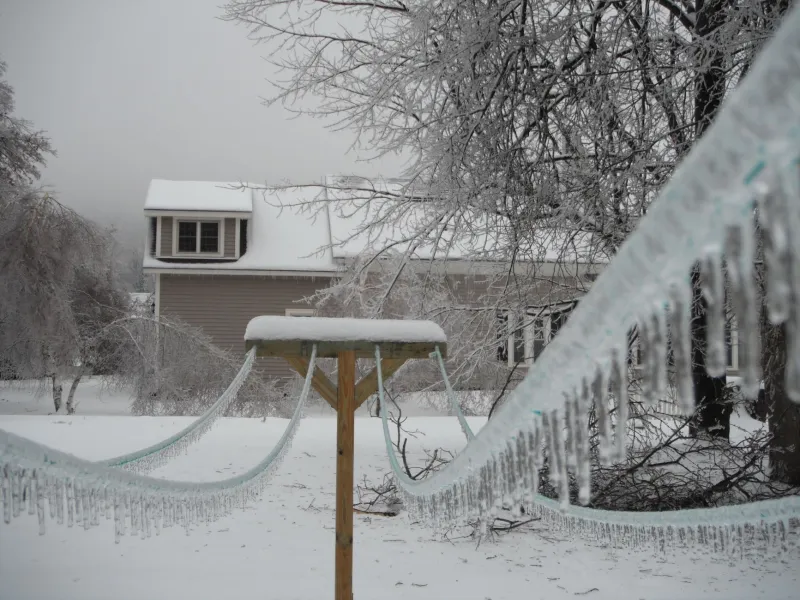
It's 5:30 in the morning in January. The thermometer outside reads nine degrees. The wind is doing something unpleasant off Lake Champlain, and the sidewalks haven't been touched since yesterday's snow. Most sensible people are asleep.
Then there's Dan, a Burlington-based competitive runner who has been doing this for fifteen years. He's pulling on his second pair of gloves and heading out the door.
"People think I'm crazy," he says. "Maybe I am. But I also ran a 3:08 at Vermont City Marathon last May, and I don't think that happens without the miles I put in between December and March."
Winter marathon training in Vermont is its own particular discipline. It demands a different relationship with discomfort, a rethinking of pace expectations, and a gear investment that would make your summer-running self wince. But the runners who commit to it — really commit — tend to show up on race day with something extra in the tank. Call it grit. Call it earned confidence. Vermont runners have another word for it: just showing up.
The Mental Game Starts Before You Open the Door
Here's something the training plans don't tell you: the hardest part of winter running isn't the cold. It's the decision to go.
Once you're outside and moving, your body adjusts. Your pace settles, your core temperature rises, and within ten minutes most runners report feeling — if not warm — at least functional. The barrier is psychological, and it lives in that two-minute window between deciding to run and actually stepping outside.
Mike, a masters runner from Stowe who has completed Vermont City Marathon six times, has a rule he lives by: "I never decide whether to run based on how I feel inside the house. I put my gear on first, every time. Once I'm dressed, I always go."
It sounds simple, and it is. Behavioral psychologists call it "reducing activation energy" — eliminating the deliberation that lets doubt win. Vermont runners have just been calling it getting dressed.
For those who struggle with the mental weight of solo winter miles, group running is a game-changer. Several Burlington-area running clubs maintain weekly schedules straight through February. There's something about knowing other people are going to show up that overrides the comfort of a warm kitchen.
Gear That Actually Works (And What's Worth the Money)
You don't need to spend a fortune to run comfortably in Vermont winters, but you do need to spend thoughtfully. The wrong gear doesn't just make you uncomfortable — it can be genuinely dangerous when temperatures dip into the single digits.
Layering is a system, not an afterthought. Start with a moisture-wicking base layer against your skin — merino wool is a Vermont runner favorite because it regulates temperature well and doesn't smell like a gym bag after one use. Add an insulating mid-layer for runs below 20°F, and a wind-resistant shell if you're heading out into exposed terrain or along the lake.
Hands and feet are non-negotiable. Fingers and toes are the first things to suffer in the cold, and once they're numb, your form and focus go with them. Invest in running-specific mittens (warmer than gloves, and you can always pull a hand out mid-run if you overheat) and wool-blend running socks. For icy conditions, screw-in traction devices like Yaktrax or Kahtoola Microspikes can be the difference between a solid workout and a trip to the ER.
Don't forget your face. A balaclava or neck gaiter pulled up over your nose protects your lungs from the shock of brutally cold air and prevents the wind-burned cheeks that are a Vermont winter rite of passage.
Jessica, a competitive age-grouper from Winooski, learned the hard way about skimping on gear. "I tried to tough out a long run in regular running tights when it was 4 degrees. I made it six miles before I had to call my husband for a pickup. Now I wear wind-blocking tights and I've never had to do that again."
Route Selection: Smarter, Not Just Tougher
Winter changes the geography of running in Vermont. Your favorite summer trail becomes a hazard. Your go-to road loop might be fine by 9 a.m. and treacherous by 4 p.m. when temperatures drop and wet pavement refreezes.
Smart winter runners recalibrate their routes rather than fighting the terrain. Plowed roads with decent shoulders are your friends. In Burlington, the bike path along the waterfront gets maintained through most of the winter and offers a reliable flat surface when the side streets are sketchy. Many runners also shift to treadmill work for speed sessions — not because they love it, but because doing interval training on ice is a recipe for a pulled hamstring.
"I do all my quality work inside from December to February," says Dan. "Tempo runs, intervals — all of it on the treadmill. My easy runs and long runs go outside. That way I'm not risking an injury on the hard stuff, but I'm still getting the mental toughness from being out in the cold."
It's a practical compromise that more Vermont runners are adopting: use the treadmill as a tool, not a crutch.
Pacing Differently (And Making Peace With It)
One of the most frustrating parts of winter training for competitive runners is the pace adjustment. Cold air, heavy clothing, and uncertain footing all slow you down — sometimes by a minute or more per mile compared to summer running.
The mistake many runners make is chasing summer paces in winter conditions. It leads to overexertion, injury, and demoralization. The smarter move is to run by effort rather than pace. If your easy runs feel genuinely easy, you're doing it right — regardless of what the watch says.
Mike frames it as a long game. "My January paces look terrible. But I'm building aerobic fitness the whole time, and by April, when the roads clear up and the gear comes off, everything clicks back into place faster than I expect. The winter miles aren't wasted — they're just quieter."
The Payoff: Why Vermont Winters Make Vermont Runners
There's a reason Vermont City Marathon draws runners who are ready to race, not just finish. A lot of it comes down to winter. When you've dragged yourself out of bed in February at 5 a.m. to run eight miles in the dark and the cold, a May morning in Burlington — even with tired legs at Mile 20 — doesn't feel so bad.
The grit that gets built in December and January doesn't disappear when the snow melts. It shows up on the back half of the course, when the race gets hard and the runners who did the work keep moving forward.
Vermont winters are brutal. They're also, for the runners willing to embrace them, one of the best training tools around.