Fuel the Comeback: What Smart Vermont Runners Eat in the 48 Hours After a Marathon
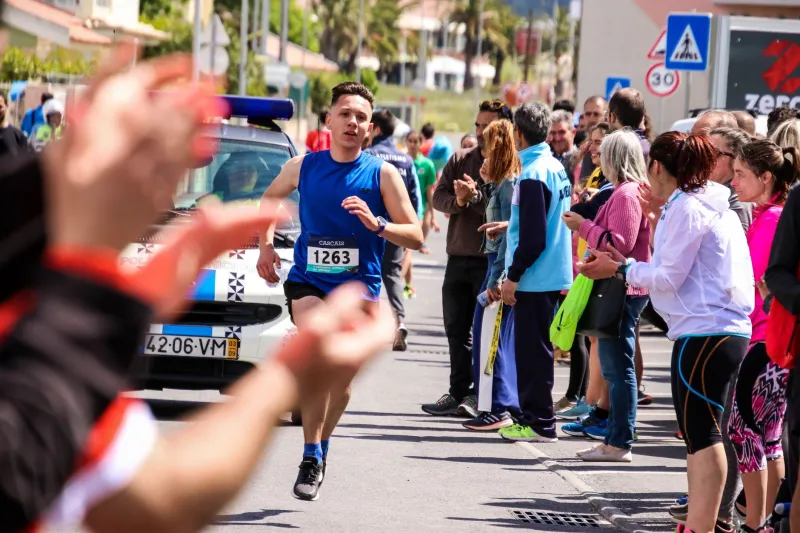
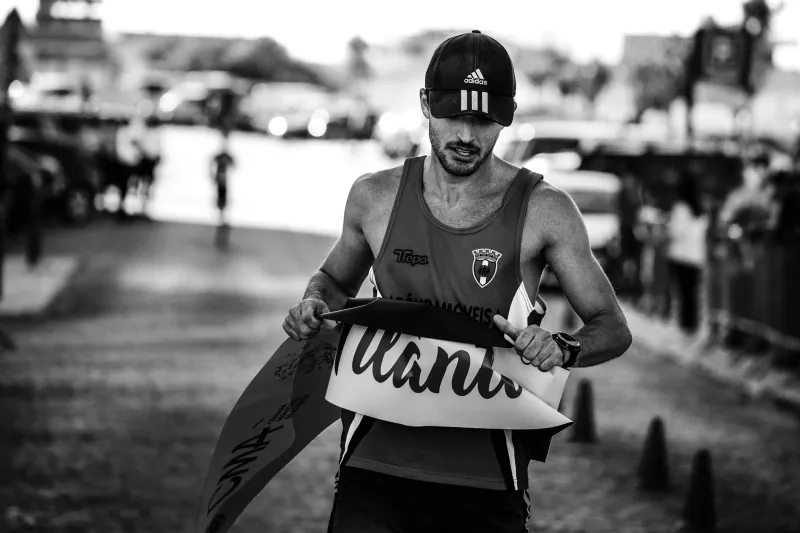
You just ran 26.2 miles through Burlington. Your legs are toast, your medal is around your neck, and someone is handing you a banana and a foil blanket. That banana? It's a start. But if you think post-marathon nutrition ends at the finish line snack table, your body is about to have a very long conversation with you over the next two days.
Recovery nutrition is one of the most overlooked parts of marathon training — and one of the most important. What you eat (and drink) in the 48 hours after you cross that finish line can mean the difference between bouncing back in a week or limping through the next two. We talked to Vermont-based runners and sports nutrition professionals to put together a real-world playbook for eating your way back to feeling human.
Why the First 30 Minutes Actually Matter
The window right after you finish is not a myth. Your muscles are primed to absorb nutrients — specifically carbohydrates and protein — at a rate they won't be again for hours. Sports dietitians refer to this as the "anabolic window," and while it's been somewhat overhyped in gym culture, it's genuinely relevant for endurance athletes who have just depleted their glycogen stores over the course of several hours.
Your goal in that first half hour is simple: get roughly 30–60 grams of carbohydrates and 15–25 grams of protein into your system. That's not a full meal. Think chocolate milk (a legitimate recovery drink that Vermont dairy country should make easy to find), a peanut butter sandwich, or a Greek yogurt with fruit.
Burlington's farmers markets and local co-ops stock exactly the kind of whole-food options that make this easy. Grab a small cup of maple-sweetened yogurt from a local vendor or a hard-boiled egg and a piece of fruit before you even make it back to your hotel room.
Hours 1–6: Eat More Than You Think You Need
Here's where a lot of runners go wrong. Post-race nausea, exhaustion, and the general chaos of celebrating with family means eating often falls to the bottom of the priority list. But your body is running a serious deficit — most marathon runners burn between 2,500 and 3,500 calories during a race — and it needs fuel to begin the repair process.
Don't try to eat one massive meal. Instead, graze. Small, frequent meals that combine complex carbohydrates with lean protein give your digestive system a break while still delivering what your muscles need.
Some solid options for this phase:
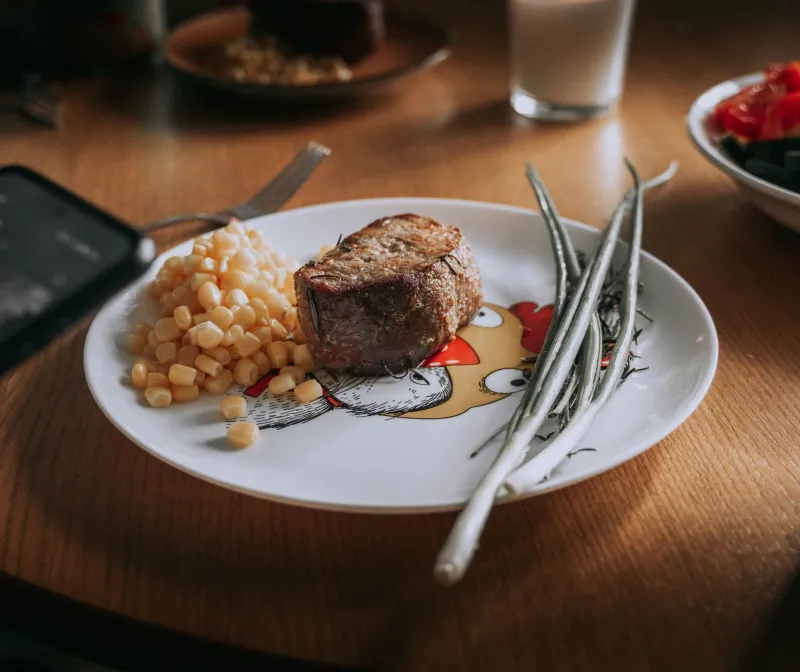
- Sweet potato and chicken — The combination of complex carbs and complete protein is a classic for good reason.
- Whole grain pasta with turkey meatballs — Easy on the stomach, high in glycogen-restoring carbs.
- Salmon with brown rice and roasted vegetables — The omega-3s in salmon have real anti-inflammatory properties that matter a lot right now.
- A smoothie with banana, spinach, almond butter, and protein powder — If solid food sounds rough, blend it.
Hydration is equally critical here. You've lost sodium, potassium, and magnesium through sweat, and plain water alone won't replace them efficiently. An electrolyte drink, coconut water, or even a light broth can help restore that balance. Vermont-made maple water has become a popular local option — it's naturally rich in electrolytes and easier to sip than a sports drink when your stomach is still unsettled.
The Anti-Inflammatory Priority
Marathon running triggers significant inflammation throughout the body. That's not inherently bad — inflammation is part of how muscles repair and grow stronger — but managing it through food can reduce soreness and speed up the timeline for feeling normal again.
Tart cherry juice has some of the strongest research behind it as a post-exercise anti-inflammatory. A few studies have shown it can meaningfully reduce muscle soreness in endurance athletes when consumed in the days following a hard effort. It's not magic, but it's worth adding to your routine.
Other foods worth prioritizing during your recovery window:
- Berries (blueberries, strawberries, raspberries) — high in antioxidants
- Turmeric — add it to soups or rice dishes; pairs well with black pepper for better absorption
- Leafy greens — spinach and kale are loaded with micronutrients your body is craving
- Walnuts — another omega-3 source that's easy to snack on throughout the day
- Ginger — works well in tea or added to stir-fries; has well-documented anti-inflammatory effects
Vermont's farm-to-table restaurant culture makes it surprisingly easy to eat this way post-race. Burlington has no shortage of spots where you can sit down to a meal built around local produce and quality proteins without having to think too hard about it.
Hours 6–24: Rebuilding Glycogen, One Meal at a Time
By the evening of race day and into the following morning, your focus shifts to restoring muscle glycogen — the stored form of carbohydrate that powers your runs. This is a slower process than most people realize. It can take 24–48 hours to fully replenish glycogen stores after a marathon, which is why one big pasta dinner the night of the race isn't enough.
Keep carbohydrates at the center of your meals throughout this period. Oatmeal for breakfast, a grain bowl for lunch, rice or potatoes with dinner. Pair each meal with a protein source, and don't be afraid of healthy fats — avocado, olive oil, and nuts all support cell repair and help your body absorb fat-soluble vitamins.
Sleep is also doing nutritional work during this window. Growth hormone — which your body releases during deep sleep — plays a central role in muscle repair. Eating a small protein-rich snack before bed (cottage cheese, a small handful of nuts, or a glass of milk) gives your body the raw materials it needs while you sleep.
Hours 24–48: Getting Back to Normal (But Not Too Fast)
By the second day after the race, most runners feel well enough to start thinking about their next run. Resist that urge. Your body still has real work to do, and what you eat now will either support that work or slow it down.
Continue eating frequent, balanced meals. Don't slash calories in an attempt to "get back on track" — your metabolism is still elevated and your muscles are still repairing. This is not the time for a diet reset.
If you're feeling up to light movement — a short walk, easy stretching, some gentle yoga — that's great. But prioritize eating over exercising for these two days. The training will be there next week. Right now, your job is to eat like recovery is your sport.
The Vermont Advantage
One thing that sets Vermont runners apart is access to genuinely good food. Local farms, co-ops, artisan producers, and farm stands make it easier here than almost anywhere to eat clean, whole, nutrient-dense meals without a lot of effort. Maple syrup as a natural carbohydrate source. Local dairy for protein and calcium. Seasonal produce that actually tastes like something.
Lean into that. Your post-marathon recovery nutrition doesn't have to come from a supplement stack or a recovery shake with a long ingredient list. It can come from a bowl of oatmeal with Vermont maple syrup, a plate of locally sourced salmon with roasted root vegetables, and a glass of cold milk from a farm up the road.
Run Vermont. Eat Vermont. Recover stronger for it.